Travel guide
Thích Ca Phật Đài or Niết Bàn Tịnh Xá: choosing a temple visit
Thích Ca Phật Đài and Niết Bàn Tịnh Xá offer two different ways to include Buddhist heritage in a Vung Tau outing. Use your coastal route to choose between the Trần Phú and Hạ Long sides, then give the selected site time rather than rushing through both. Confirm the actual entrance and respect ongoing worship.
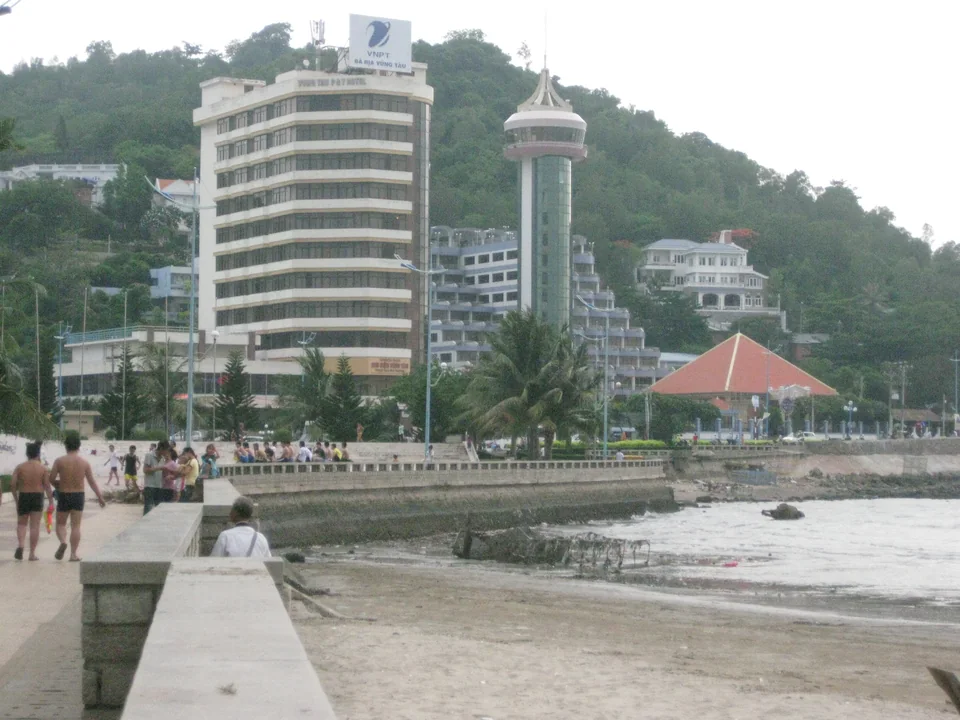
Front Beach promenade and buildings at the foot of the hill in Vũng Tàu — Illustrative Vung Tau context photo; not a verified image of the specific site, dish, room, transport or service discussed.
Bai Truoc, Vung Tau.jpg — Hữu Sơn at Vietnamese Wikipedia / Wikimedia Commons / Public domain. Resized and converted to WebP. · Public domain · Resized and converted to WebP

Keep the addresses and coastal routes distinct
Thích Ca Phật Đài is on the northwestern slope of Núi Lớn and is known for its seated Buddha; Niết Bàn Tịnh Xá sits on the sea-facing slope of Núi Nhỏ and has a reclining Buddha. The local cultural authority’s 2025 heritage inventory lists Thích Ca Phật Đài at 610 Trần Phú and Niết Bàn Tịnh Xá at 60/7 Hạ Long, both in present Vũng Tàu ward. Use the correct name and entrance when arranging transport, since older descriptions may use former administrative names or different street numbering. Do not infer that either temple is next to another religious landmark simply because all appear on a Vung Tau sightseeing list.
Thích Ca Phật Đài makes more sense when your outing follows the Trần Phú side; Niết Bàn Tịnh Xá can fit a Hạ Long-side coastal plan. This is a route choice, not a claim that all paths between stops are easy to walk. Confirm the approach, steps and current visitor areas locally. If climbing is difficult, ask what can be seen without taking the full route before setting off.
Enter as a visitor to a living religious place
Dress modestly, speak quietly and follow posted or staff instructions about footwear and photography. Ask before photographing worshippers, ceremonies or interiors, and do not move ritual objects to improve a frame. Wait without blocking an entrance when worship is taking place. Donation, incense and any additional activity should be understood on their own terms; do not assume a tourist package or invent an admission price.
Leave room for rest and a change of plan
Religious activity, weather and access restrictions can change what a visitor can do on the day. Confirm visiting arrangements instead of treating worship schedules as tourist opening hours. Give the chosen site time, then continue with a nearby meal or coastal stop. For children or older travelers, keep the visit short enough to remain comfortable and avoid promising step-free access that has not been checked.
Ask VietnamGuide AI
Ask VietnamGuide AISources
Explore more
- Bãi Dâu, Vung Tau: coastal views and respectful religious visits
Choose Bãi Dâu for a coastal outing on the Núi Lớn side; plan transport, religious etiquette and a realistic alternative to swimming.
- Thắng Tam and Vũng Tàu’s whale-worship heritage
Understand Thắng Tam’s communal house, Lăng Ông and coastal beliefs, with respectful visiting advice and guidance on checking Nghinh Ông festival dates.
- Vung Tau areas: understand the peninsula before booking
Find your bearings around Front Beach, Back Beach and the two mountains, and distinguish the tourism peninsula from today’s administrative wards.