Travel guide
Da Lat villas: reading architecture from the street
Da Lat’s villa landscape becomes more interesting when you stop treating every old building as the same French-style house. The national tourism authority connects the city’s architecture with its development as a colonial resort. A street-based outing lets you study that legacy while recognising that many buildings remain homes, hotels or working properties.
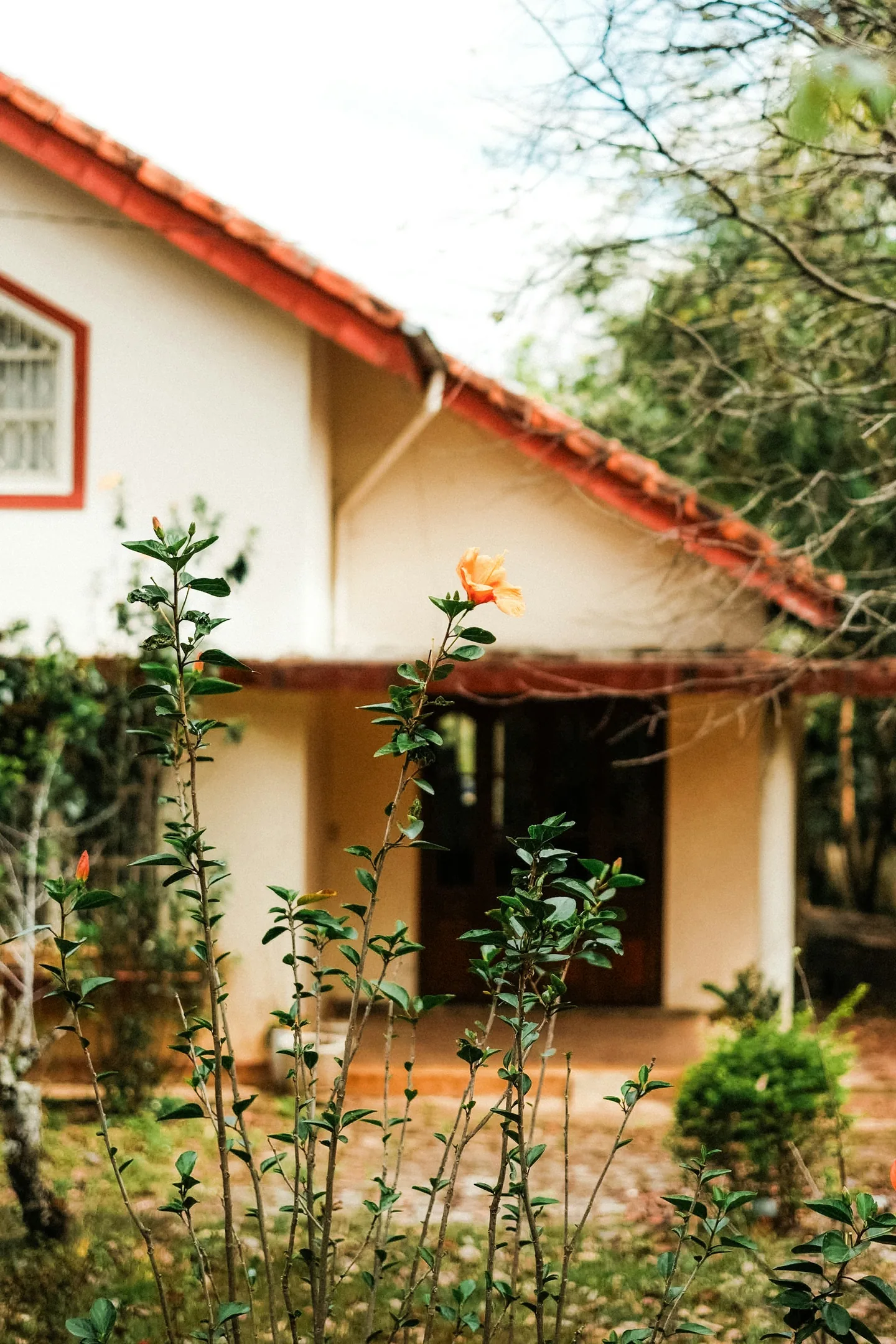
A house and flower garden in Da Lat; illustrative scenery, not a listing for a particular stay.
Taan Huyn · Unsplash License · Resized and converted to WebP
Choose buildings, not a checklist
Start with a small area you can reach comfortably and compare two or three visible façades. Look at roof pitch, entrance placement, window proportions and the distance between house and street. Notice how slopes and gardens affect the view. These are useful observation prompts, not a claim that every villa belongs to one architectural movement. Do not date a building from its appearance alone; alterations and restoration can complicate the picture. A sketch or note about differences makes the walk more specific than a collection of identical exterior photographs.
Keep the colonial context visible
Historic architecture is not only a story of picturesque leisure. Da Lat’s resort planning served colonial residents and privileged Vietnamese, as the national tourism account explains. Hold that social setting alongside the craftsmanship you admire. If a property has an interpretation panel, compare its account with what is actually visible. Avoid inventing an owner, wartime story or famous guest because a building looks grand. A hotel occupying a historic villa is not automatically a public museum.
Make a practical public-street outing
Remain on public streets and other clearly permitted spaces; a driveway, open gate or garden path is not an invitation. Ask permission before entering a hotel grounds, café terrace or house, and avoid photographing residents through windows. Use safe crossing points and do not stand in traffic for a symmetrical picture. Choose a short route with rest stops if slopes are difficult, and ask accommodation staff about the actual pedestrian approach. Confirm any indoor visit separately rather than promising access along the entire walk.
Ask VietnamGuide AI
Ask VietnamGuide AISources
- 1. vietnam.travel/things-to-do/8-things-to-do-in-dalat
Source checked:
Explore more
- Cau Dat: tea hills and highland agriculture
Explore Cau Dat as a working tea landscape, separating field views, tasting and farm access from cloud-chasing promises.
- K’Ho coffee: beans and the people who grow them
Plan a respectful K’Ho coffee visit near Da Lat: producer questions, workshop expectations, photography and useful buying choices.
- Da Lat Arabica: planning a thoughtful coffee tasting
Compare Da Lat Arabica with useful questions about origin, processing, roast and brewing. Design a tasting that helps you choose beans.