Travel guide
From rice sheet to dry bowl: Can Tho workshops and Saigon hu tieu
Following making and serving gives “dry” a clearer meaning.

A perspective for your choice
At the workshop batter becomes sheets and noodles; at the table dry hu tieu separates broth from noodles, not every liquid. These stages reveal both labour and the diner’s choice.
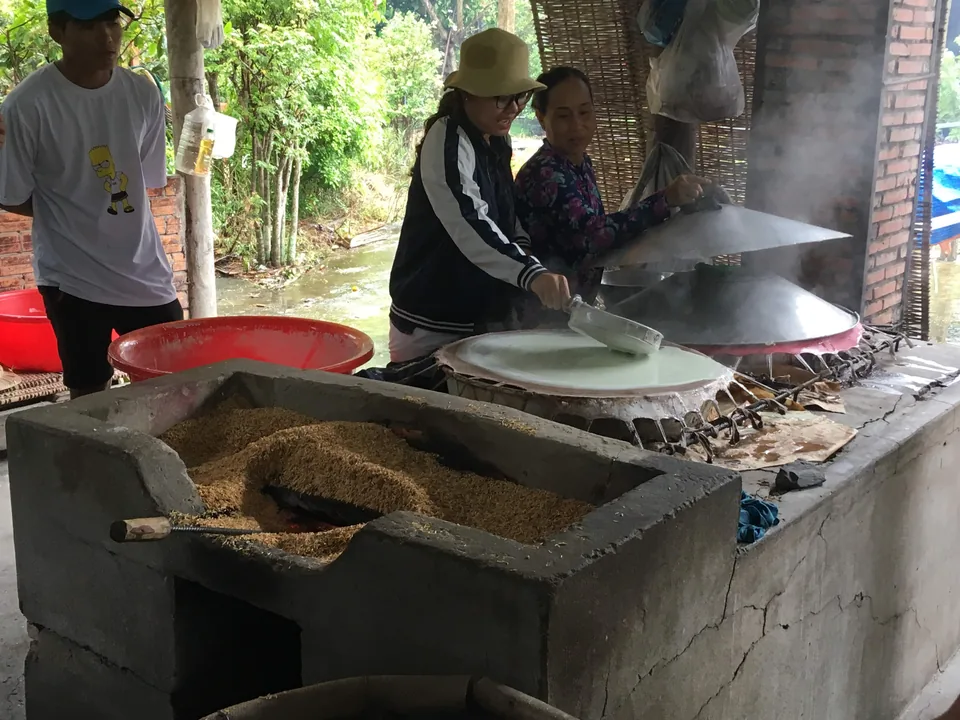
Can Tho noodle workshops: from rice sheet to hu tieu
Look for the relationship between rice batter, a freshly made sheet, drying and cutting. Each stage changes the feel of the material: the sheet must become workable before it turns into separate strands. Ask the maker to explain one batch from beginning to end rather than rushing between photo spots. Watching the same material move through several stages makes the craft easier to understand.
Hủ tiếu in Saigon: soup, dry noodles and what comes on top
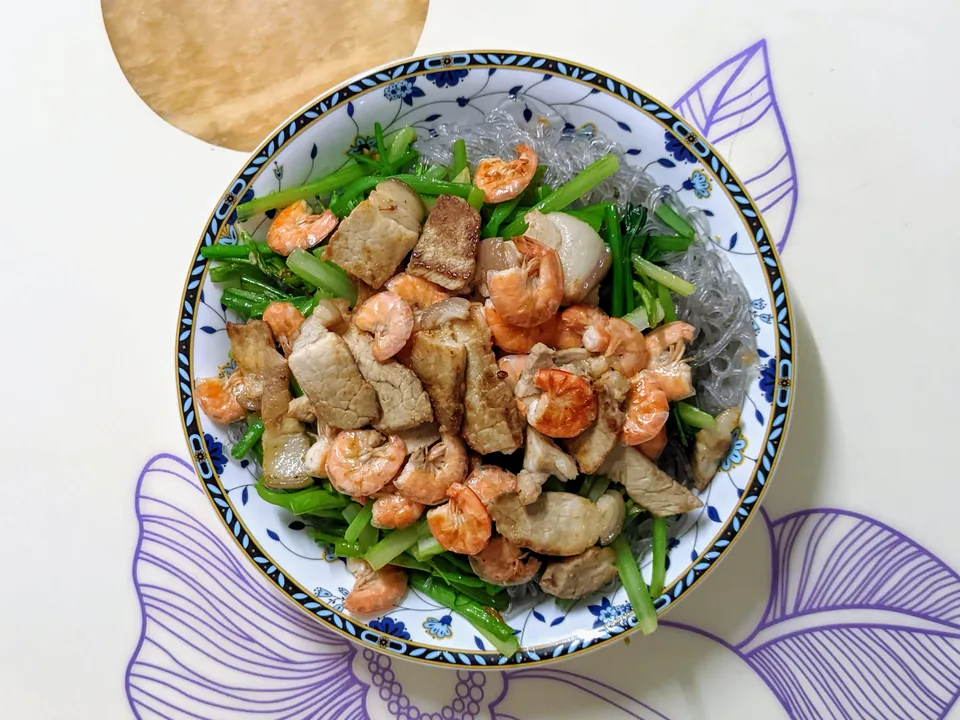
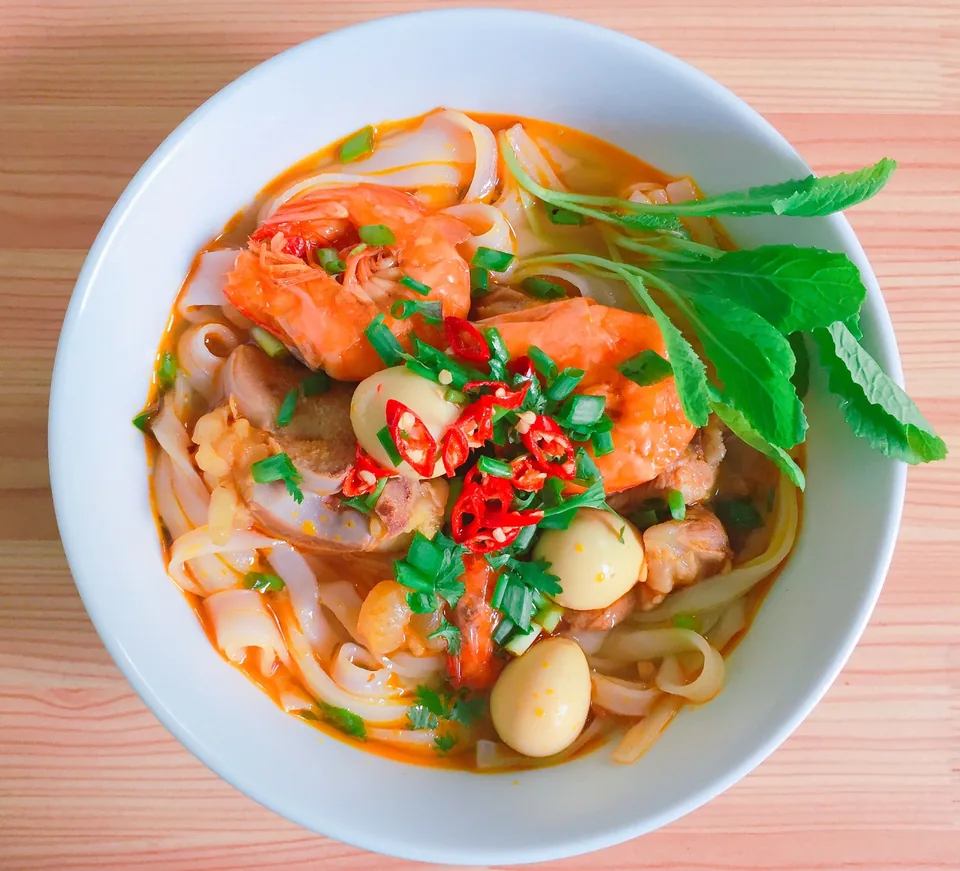
Hủ tiếu nước is the soup option. For hủ tiếu khô, the national tourism guide describes noodles served separately from a bowl of broth. “Dry” therefore refers to the serving arrangement, not a promise that the meal has no broth or sauce. Ask how the noodles are dressed and whether the accompanying broth is included. If sharing, decide whether you want one complete serving or separate orders; do not assume an extra bowl is a second meal.
Choose the experience that fits
| Choice | What to consider |
|---|---|
| Can Tho noodle workshops: from rice sheet to hu tieu | Confirm whether your transport or boat itinerary includes a specific workshop, a tasting or a separate purchase stop. Ask about the teaching language and time allowed if understanding the process is your priority. Buying something should be a choice, not an unexplained condition of entry. Leave room to enjoy a freshly prepared serving afterward, while checking ingredients with the cook rather than inferring them from the noodle’s colour. |
| Hủ tiếu in Saigon: soup, dry noodles and what comes on top | The official examples include broth made with pork bones and dried squid; other documented versions also use dried shrimp and vegetables. A bowl without visible meat or seafood is therefore not proof that its broth matches a dietary restriction. For dry noodles, include the dressing and separate soup in your questions. Add herbs or condiments according to your preference rather than assuming one obligatory method. Confirm the current portion and price directly. These are stable preparation examples checked on 17 October 2026, not a current menu or a promise of ingredient-free preparation. |
| Try this | Ask one making-stage question, then ask which broth and sauces accompany your actual bowl. |
Ask VietnamGuide AI
Ask VietnamGuide AISources
- 1. canthotourism.vn/vi/detailnews/
Source checked:
- 2. vietnam.travel/things-to-do/reasons-to-love-can-tho
Source checked:
- 3. visithcmc.vn/vi/top-10-mon-an-ngon-ban-phai-thu-khi-den-thanh-pho-ho-chi-minh/
Source checked:
- 4. vietnam.travel/things-to-do/ho-chi-minh-city-cuisine-street-eats-fine-dining
Source checked:
Explore more
- Can Tho solo: two observations at Ninh Kieu and Ong Pagoda
Travelling alone leaves time for details, without a packed schedule.
- Con Son and An Binh: arrange a host, not just an island
Landing on an island does not mean a household expects you.
- Da Nang’s two market baskets: eat now, take home later
Han and Con markets reward a purpose before a stall list.