Travel guide
Cu Lao Cham: island culture and conservation beyond Hoi An
Cu Lao Cham offers a different question from a stroll through Hoi An: how do people, forest and sea share an island landscape? Treat it as a separate excursion that depends on a sea crossing, rather than an extra stop to squeeze into an Ancient Town walk.
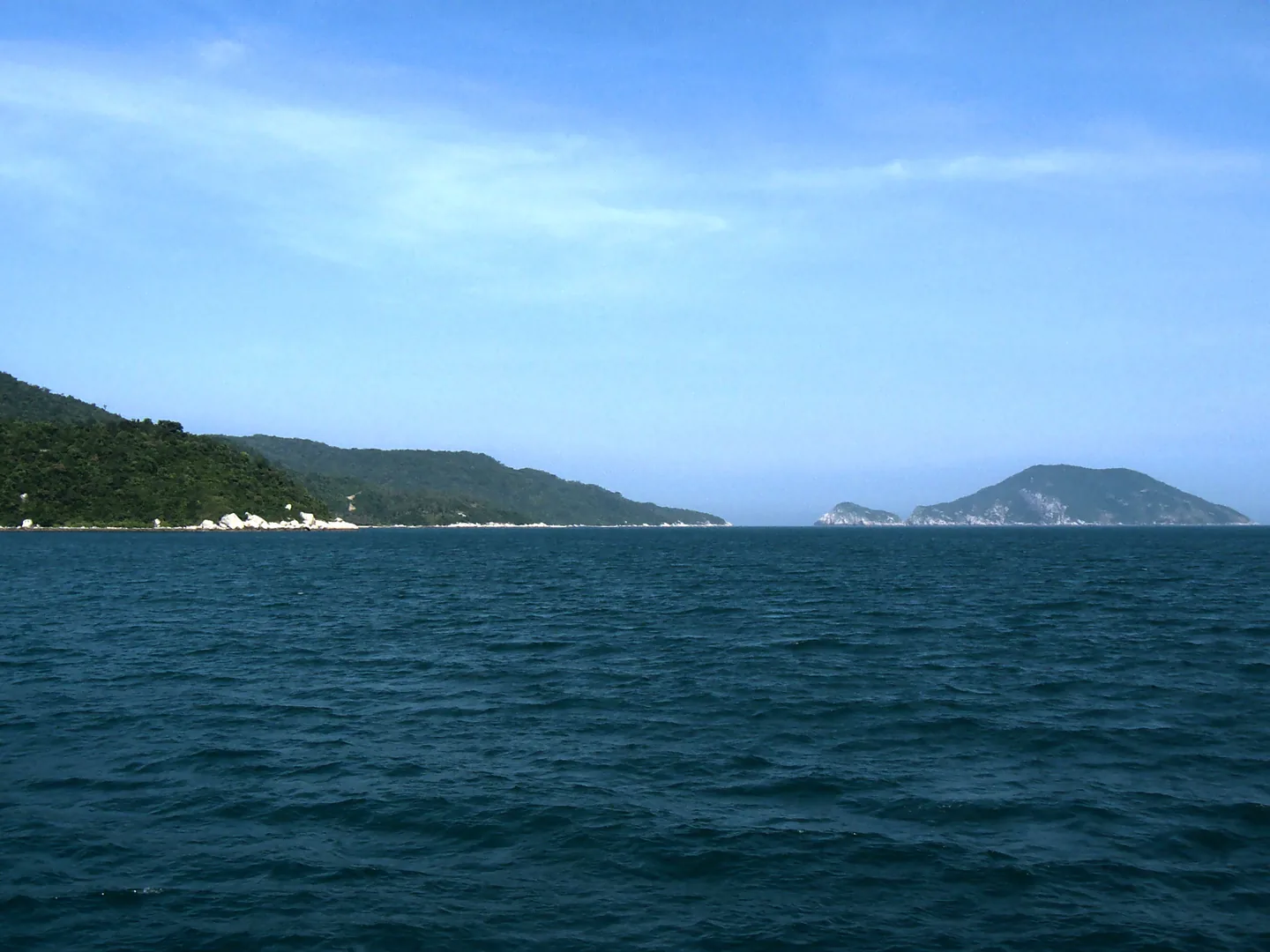
Sea and green coastline of Cu Lao Cham ·

Read the landscape before choosing activities
UNESCO describes the Cu Lao Cham–Hoi An Biosphere Reserve as a connection between cultural Hoi An and an archipelago with forested hills and marine habitats. A biosphere reserve is a conservation and community framework; it does not mean every shore is open for recreation or that the islands are the Ancient Town World Heritage property.
Coral, seagrass and fisheries help explain why the sea matters beyond its colour in photographs. Let that context guide your choices: ask where an activity takes place and which local protection rules apply. A label such as “eco-tour” is not evidence of permission or good practice.
Include island life, not just a beach stop
A local heritage account identifies places such as Hai Tang Pagoda, the Xom Cam well and community shrines alongside fishing traditions. These give an onshore visit cultural depth. Choose a small number of places and ask locally which can be visited, rather than treating religious buildings or homes as unrestricted attractions.
Ask before photographing residents, entering a working area or joining a demonstration. If a meal is included, discuss ingredients and dietary needs beforehand. Do not assume a named beach, boat trip or household experience is included simply because an advertisement says “Cu Lao Cham”.
Make the crossing and return explicit
Before committing, confirm the exact mainland departure point, island landing, return arrangement and cancellation terms with the actual provider. Ask how changed sea conditions affect the plan and whether there is an onshore alternative. This guide does not verify today’s sailings, fares, swimming conditions or access to individual sites.
Carry reusable items where practical and take your waste back through the appropriate disposal system. The islands’ documented plastic-reduction efforts and UNESCO’s continuing ocean-education work are reasons to reduce your impact, not a promise that the environment is untouched. Leave room in your Hoi An schedule for a changed or cancelled crossing.
Ask VietnamGuide AI
Ask VietnamGuide AISources
Explore more
- Duc An house: reading Hoi An’s history of books and political networks
Understand Duc An house through books, anti-colonial networks and its preserved domestic architecture, without assuming current visitor services.
- Tran family chapel: ancestry and thresholds in Hoi An
Understand the Tran family chapel at 21 Le Loi through ancestral worship, domestic space and the meaning of its threshold, with respectful visitor planning.
- Cam Pho communal house: village life beneath Hoi An’s trading history
Read Cam Pho communal house through its village function, ceremonial architecture and archaeological evidence, with careful visit planning.